


Solar Panels at a Bakery and Pastry Shop
in Sindos, Thessaloniki
Bakeries and Pastry Shops and Electricity:
Why Self-Generation Is Transforming the Business Landscape
An industry with extremely high energy demands
Bakeries and pastry shops are among the most energy-intensive businesses in the food industry. Their production process runs almost 24 hours a day, particularly in bakery workshops, where production often begins at midnight and requires a continuous and stable supply of electricity for a wide range of applications.
The main consumers of electrical power in a bakery and pastry shop are:
Production equipment: Bakery ovens are the largest single consumer, with power ranging from 15 to 60 kW per unit. In addition to these are kneading machines (spiral mixers), ovens, ice cream machines, etc.
Refrigeration and Air Conditioning: Display refrigerators, freezer chambers, blast chillers, and air conditioners constitute a second major “front” of energy consumption. The cooling load increases dramatically during the summer months, leading to a surge in energy consumption and costs precisely when electricity rates are often at their highest.
Lighting and auxiliary systems: Lighting in exhibition spaces, ventilation systems, water pumps, and other devices contribute to the energy footprint.
The combination that makes the difference: time of day, production, sunshine
One feature that makes bakeries and pastry shops ideal for solar power systems is the alignment between solar production and energy demand. During peak sunlight hours (10:00 a.m.–4:00 p.m.), the production facilities are in full operation, refrigeration equipment is running at maximum capacity, and the stores are serving customers. This means that a large portion of the photovoltaic output is consumed directly and on-site, with the greatest possible economic efficiency.
A real-life example: SERANO in Sindos
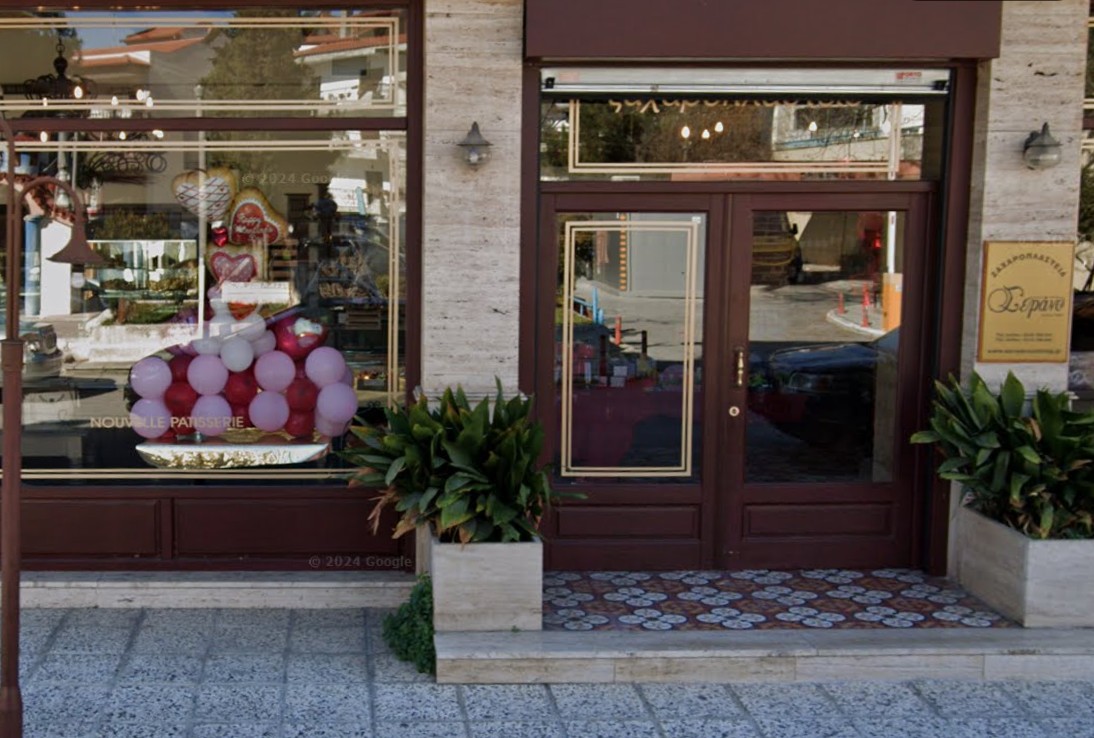
The company SERANO – AMYRANIS FOTIOS & Co., with a workshop and stores in Sindos and Diavata, Thessaloniki, was founded in 1975 and is one of the most established representatives of the industry in Thessaloniki. Faced with ever-increasing electricity needs—with particularly high consumption during the summer months—the company chose to partner with KOSMOS ENERGEIA to design a customized solution.
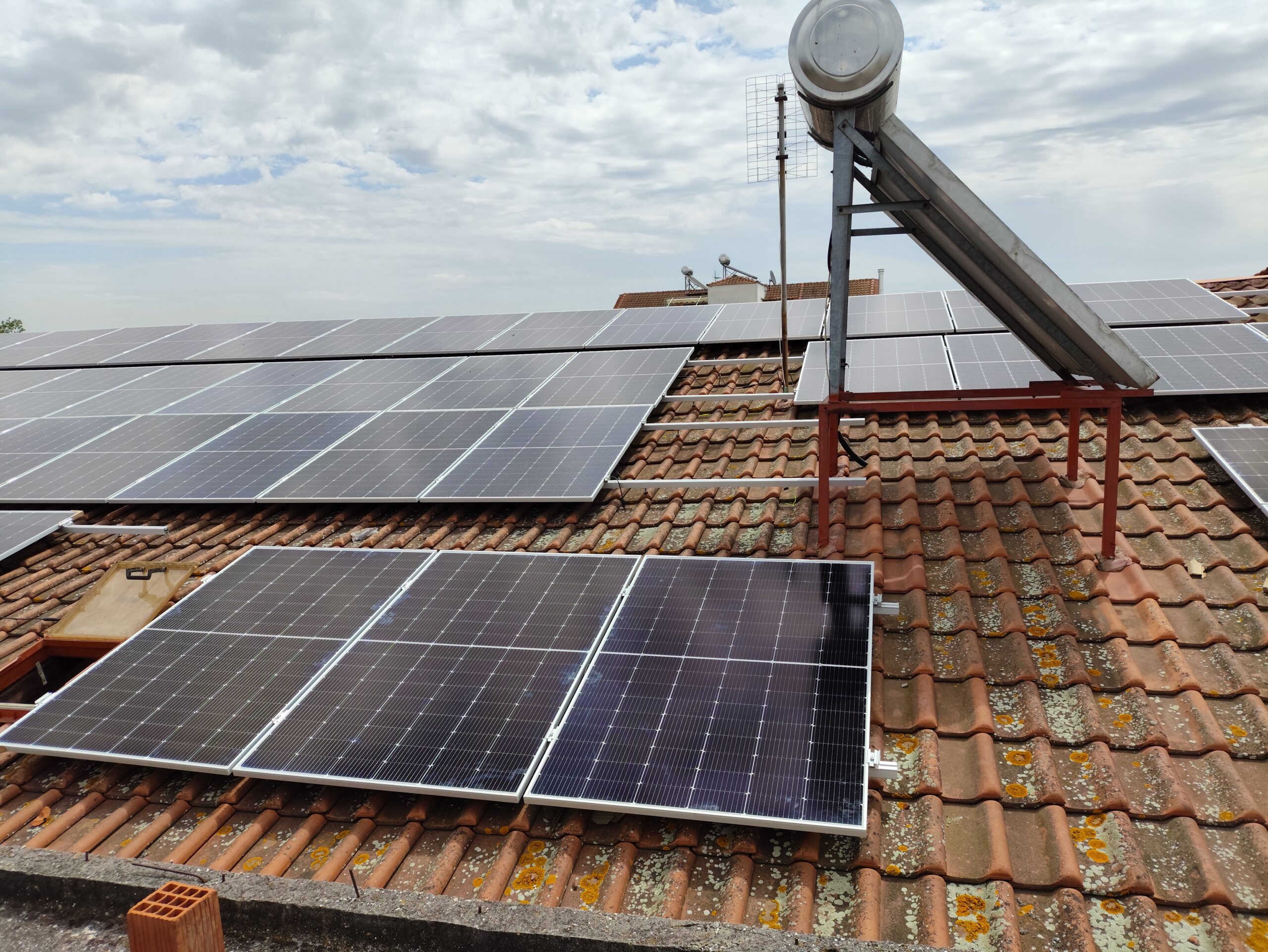
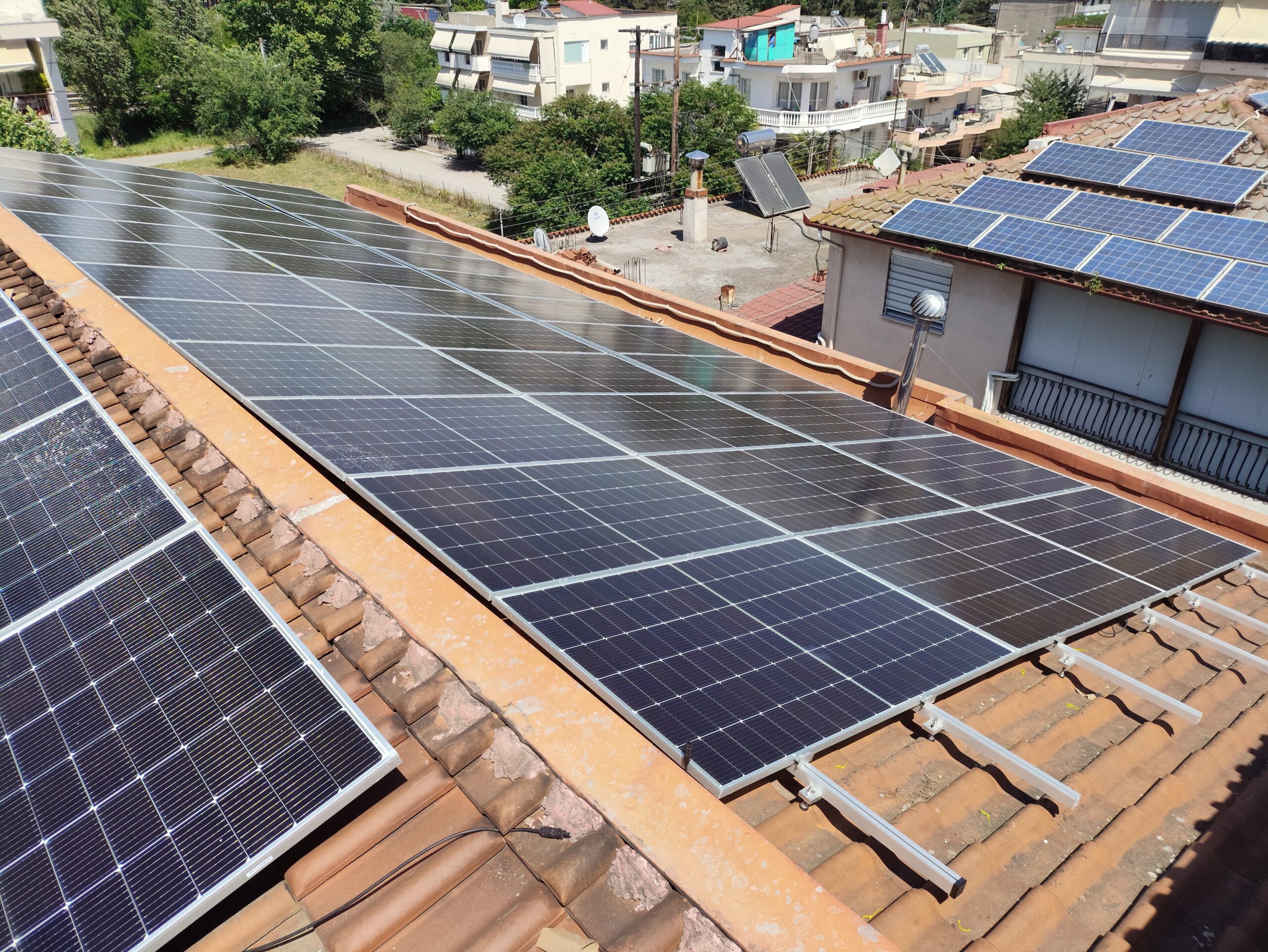
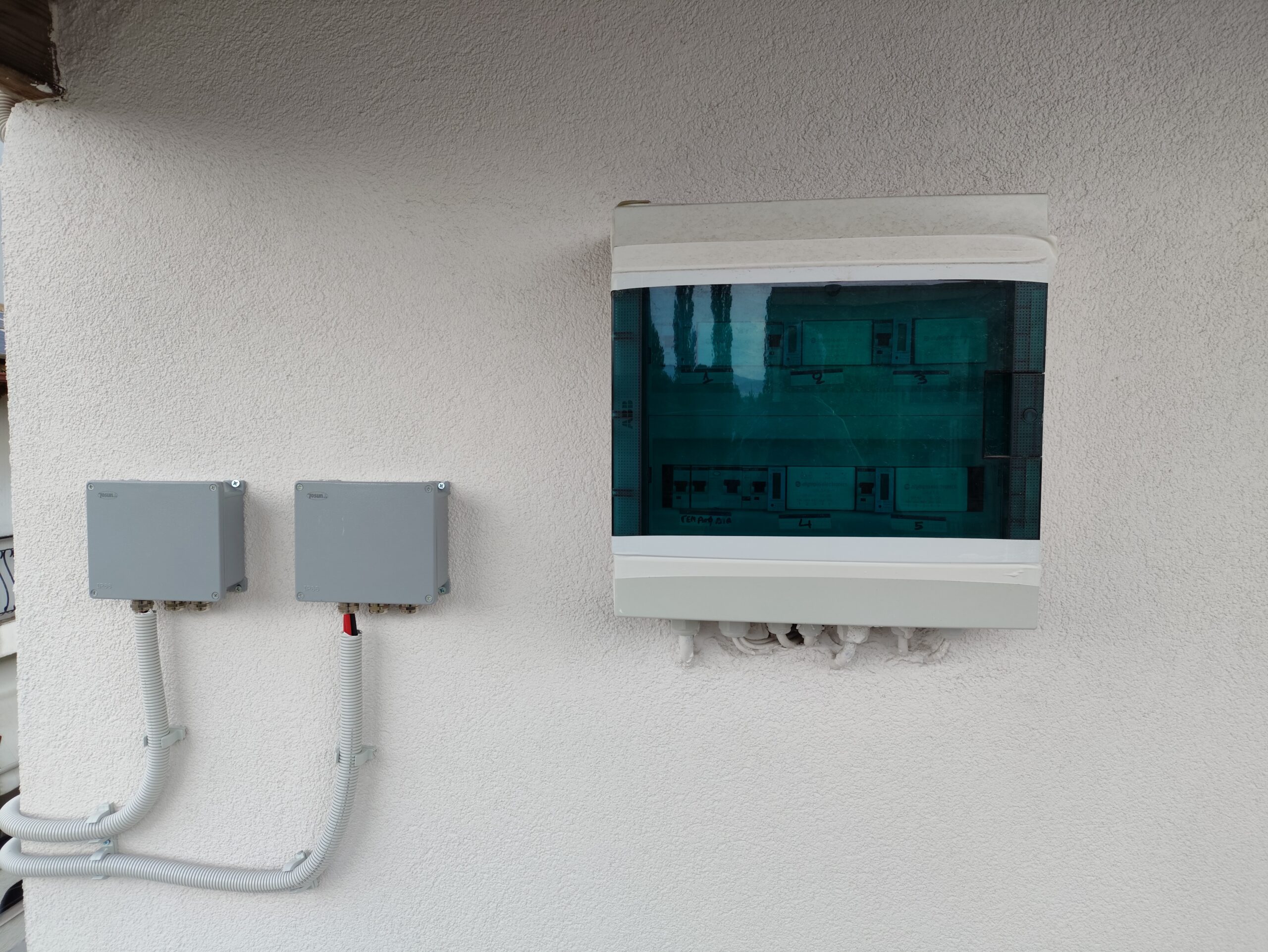
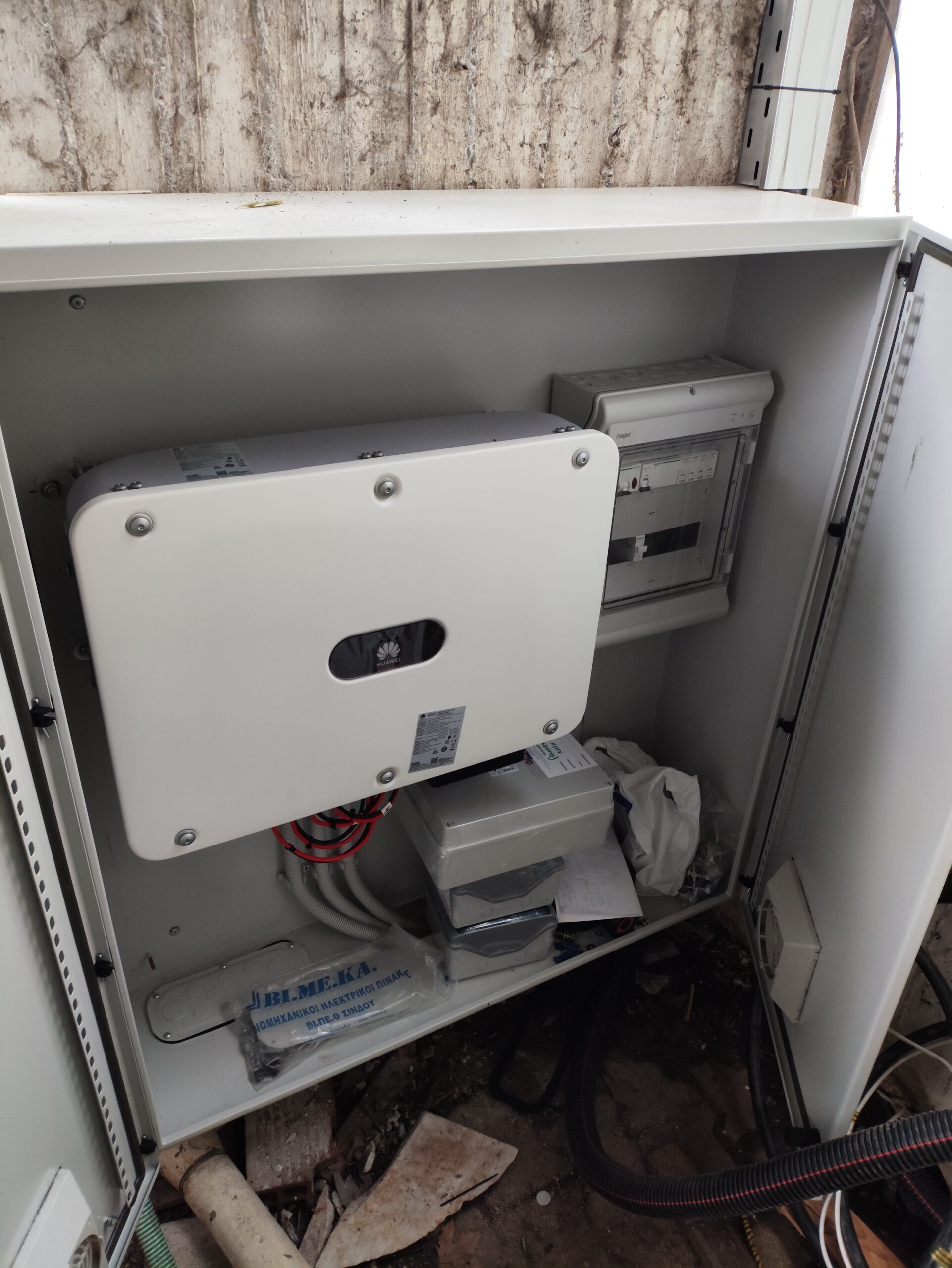
The solution was a 36 kW system installed on the workshop’s tiled roof, featuring a 36 kW HUAWEI inverter and JA SOLAR photovoltaic panels of the same capacity. The system operates under the virtual synchronized energy offsetting (net billing) scheme, pursuant to Law 5037/2023, which allows the company to “balance” its production and consumption in monetary terms through the HEDNO grid.
The results are impressive: 54,000 kWh of annual production, a payback period of just 3 years, and full real-time monitoring via an app (production, consumption, and energy drawn from the grid at the click of a button).
The energy transition starts in the bakery
In an industry where energy costs account for one of the largest shares of fixed expenses, self-generation via photovoltaics is not a luxury—it is a strategic choice for competitiveness. By implementing net metering for self-generation, every bakery and pastry shop can transform its workshop roof into a small power plant and protect itself from the volatility of the electricity market.
Sources
1. RAEW (Regulatory Authority for Waste, Energy, and Water) – Institutional framework for self-generation and net billing
2. Law 5037/2023 – Regulation of the virtual simultaneous energy offsetting mechanism (net billing) (Government Gazette A' 78/March 28, 2023)
3. HEDNO – Hellenic Electricity Distribution Network Operator, procedures for connecting self-generators
4. IENE (Institute of Energy for Southeast Europe) – Studies on energy consumption in the food sector
5. Eurostat – Energy consumption in the food and beverage industry